

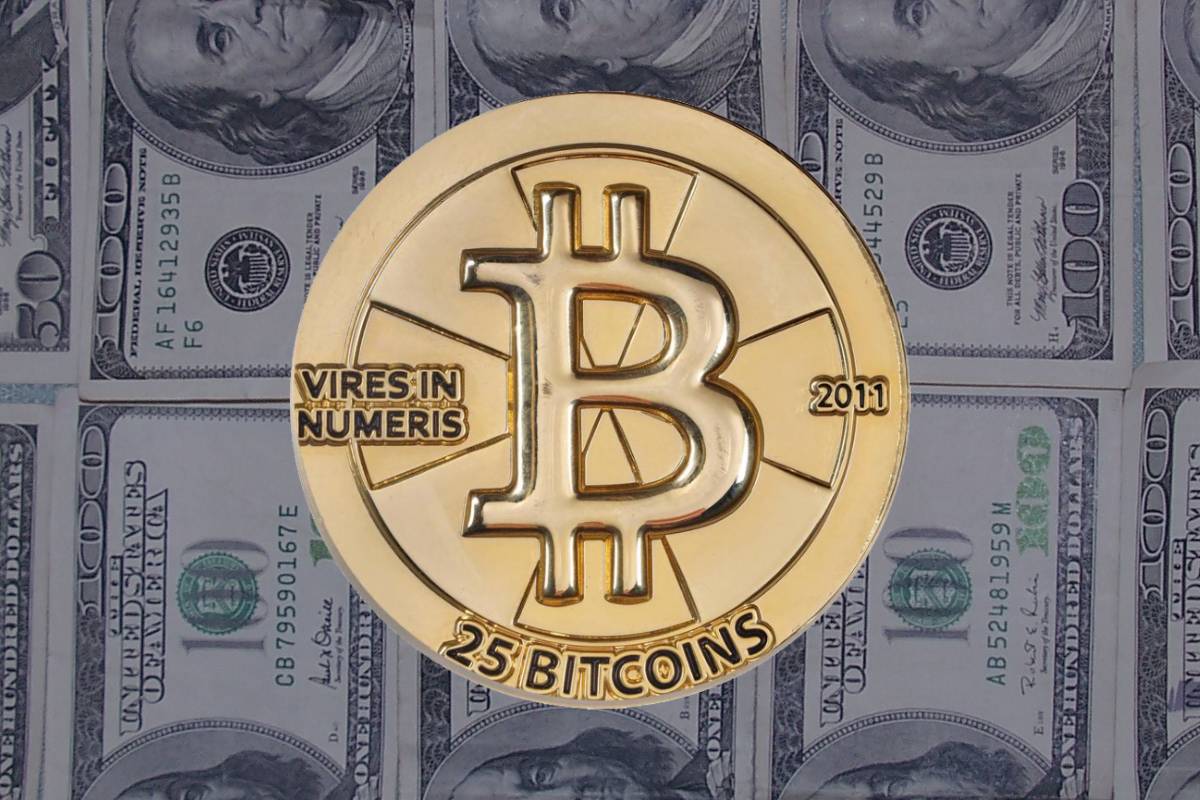
There are many colourful names that people used for $$$ money back in the day, but have you ever heard the term ‘Wooden Nickel or … Sawbuck?’
How about the term, “Not worth a plug nickel”? Well, if you’ve never heard that metaphor before, then folks, you’d better listen up, I have more.
The subject matter for this article is old, but kinda fun and somewhat interesting to the inquisitive mind. In this story, I’ll brush on a few memorable money terms that most people have forgotten or never heard before. Being that I’m a person who prides himself on perfect English (not), I continue to use some of these fun terms today.
- The Most Important Developments in Human History. CLICK HERE

And this is how my story begins with a wooden nickel.
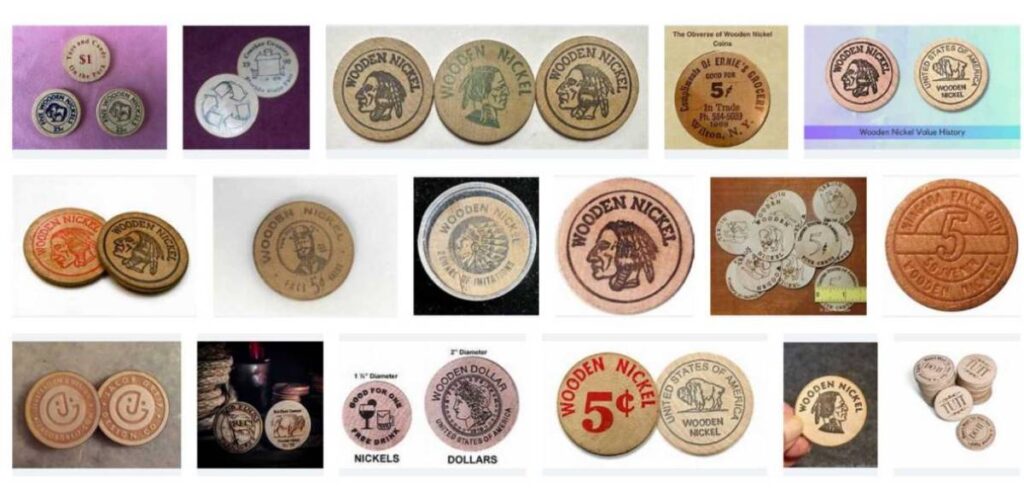
**Wooden Nickel;
In the United States, a wooden nickel was made out of wood, and it was a token the size of today’s dollar coin, round in shape. These wooden nickels were usually issued by merchants or banks as promotional gimmicks or a souvenir. Sometimes, wooden nickels were redeemable for in-house merchandise, like a soft drink at a variety store (back then called a drugstore), or maybe even a movie pass at a theatre.
After the 1930s Great Depression, wooden nickels were commonly issued in the U.S. There was an old saying that went this way: “Don’t take any wooden nickels.”
That saying likely originated in the 19th or early 20th century, possibly referencing counterfeiters who made wooden slugs to resemble coins.
*** Today, they are hard to find, and if you do and it has good subject matter printed on the face, it can be a great collectible score.
Slang for ‘Two Bits’
“Two bits” was slang for a quarter. This historical term came from the Spanish dollar, also known as the piece of eight, which was divided into eight reales. Each real was considered a “bit,” and two of these bits equalled … one quarter of a dollar, or 25 cents.
“Cheddar” or “Cheese” Just Means Money.
One person might say to another, “How much cheddar do you have, I want to borrow some?” Both “cheddar” and “cheese” are fun slang for any money in general.
Slang for a Dollar
The most common slang term older folks might remember is a buck, but other dollar terms include:
Simoleon* – Used since the 1880s, possibly a blend of “Simon” and “Napoleon Days.”
Clam* Dating back to the late 1800s; another slang term for a dollar.
Smacker* Listed by Merriam-Webster as a synonym for dollar.
“Bone” is my favourite, which I’ve used often in my day-to-day lingo. Having said that, nobody understands what I’m saying, and, usually followed by a funny look or a smart remark, like; Where did this guy come from? ”Mars, of course.”* But Bones just means a dollar. It’s similar to ‘smacker.’ Merriam-Webster weighed in and listed it as slang for a “dollar.”
Slang for “Greenback” is another. Self-explanatory. “Greenback” is a slang term for U.S. paper dollars. And that originated during the American Civil War due to the green ink used on the back of the notes. The interesting term is still heard today.
* Sawbuck* Slang for $10:
Sawbuck explained; it was widely used back in the day as a slang term for a $10 bill. The term reflects the Roman numeral “X,” which resembles a wooden sawbuck (a type of sawhorse). Interestingly, “sawbuck” is also used in forex markets to refer to trades of $10 million—but that’s beyond me.
Slang for $20: Lobster
A twenty-dollar note is called a lobster or redback because of its reddish colour.
Slang for $50: Pineapple
A fifty-dollar note is known colloquially as a pineapple or Big Pineapple because of its yellow colour.
Slang for $100
The $100 note is currently green and is sometimes called a watermelon. Between 1984 and 1996, it was grey and nicknamed a grey nurse.
Plug Nickel
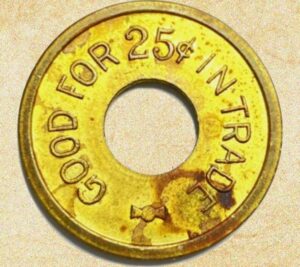
“Surely you’ve heard of this one.” A plug nickel refers to a nickel coin that has been tampered with—typically by having its center punched out and filled with cheaper metal, making it almost worthless.
The term is most often heard in the idiom: “Not worth a plug nickel”, meaning something has little or no value.
* I Saved the Best for Last. *
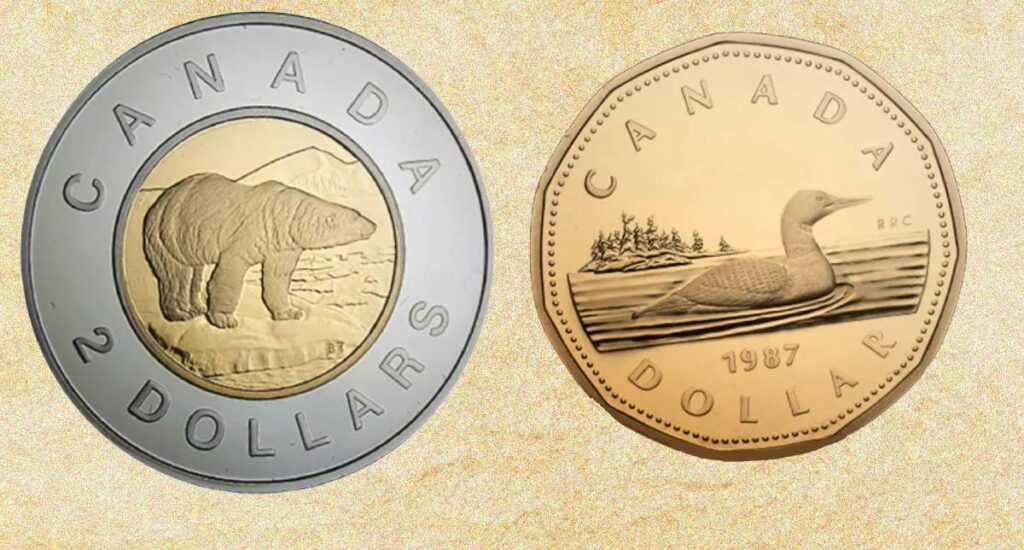
*** In Canada: ***
- The ‘one-dollar’ coin is known as the ‘loonie’.
- The ‘two-dollar’ coin is called a ‘toonie’.
So, there you have it, folks, after reading this valuable and entertaining information from our colourful past, it is now official: “you’re bilingual and up-to-date in terms of money slang.” - * If I forgot any old money terms that you remember, please leave me a correction comment. This story is for fun only and is by no means 100% accurate, just fun.
There you have it, folks. Far from being politically correct in today’s world, however, back then, ‘Slang for Money Made You Sound Cool and the norm.’
📢 If you found my article interesting or informative, ‘please consider buying this author a coffee. And as always, my photos and story theme can be copied for personal use. ☕️ Thank you in advance ☕️
