

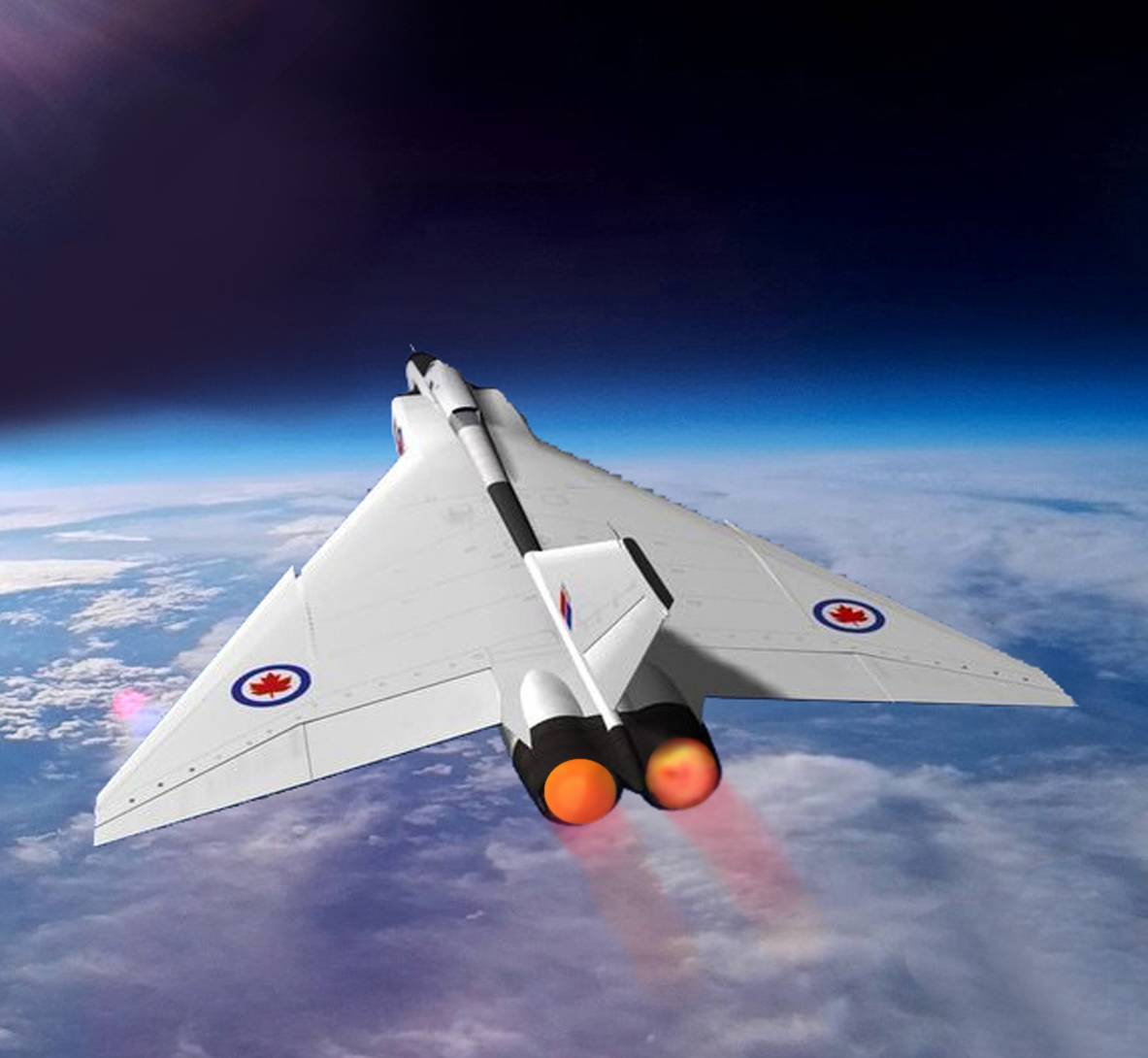
Avro Arrow to the Gripen: The Decision That Still Echoes and Canada’s Chance to Get It Right
There are moments in a nation’s history that don’t just pass, they linger like a bad smell. They echo. They shape decisions decades later. For Canada, the cancellation of the Avro Arrow wasn’t just the end of a program. It was the end of a path.
- The Avro Arrow CF-105 Interceptor was more than an aircraft. It was a statement. Built on Canadian soil, by Canadian workers, it represented something rare—true independence in a high-stakes, high-tech industry. At the time, it was one of the most advanced fighter jets in the world. And then, almost overnight, it was gone.
With the stroke of a pen in 1959, 15,000 jobs disappeared. The Avro Arrow was Cancelled. Engineers, machinists, designers, gone. And with them, a growing aerospace confidence that Canada had spent years building … gone.
- For many, that day still feels like a major turning point in Canada’s growth and history.
I remember back in the day hearing stories from people who worked at the AVRO plant in Malton. Family members in the Canadian Air Force. My dad, a writer in his own right, followed the story closely. There was frustration, disbelief, and over time, something else crept in: “suspicion and rumours.” They only come to be because the explanations were never fully satisfactory.
*** Some blamed cost overruns. Others pointed to security concerns. There were whispers of espionage. And then there were the political realities, an election looming, public criticism mounting, pressure building. But beneath all that, a deeper question has always lingered: did Canada walk away from the Arrow… *** or was it nudged? ***
Rumours have circulated for decades. Claims that the United States, determined to lead in aerospace industry, saw the Arrow as competition. Comments attributed to powerful figures suggesting Canada didn’t need its own advanced fighter program. Whispers in the ears of Canadian politicians, “lose the Arrow and we will take good care of you, ** good buddy … wink, wink. ** Insinuating Canada would be “taken care of.”
Whether those claims hold weight or not, the outcome is undeniable. Canada stopped building.
Since that moment, we’ve largely become a buyer, not a builder of advanced military aircraft. The shift didn’t just affect defence; it reshaped our industrial identity. A country that once reached for the top tier of aerospace innovation stepped back and settled into partnership, procurement, and most of all * dependency.*
That’s the real legacy of the Avro Arrow. And it’s why, even today, the story refuses to fade.
*** Talk to people who remember, and you’ll still hear the same sentiment: we had it—and we let it go. So it was not just a plane, but a future. A belief that Canada could stand on its own in one of the most demanding industries in the world. That’s why the conversation matters again today. Because Canada is at another crossroads.
The question isn’t just which fighter jet to buy, it’s what kind of country Canada wants to be.
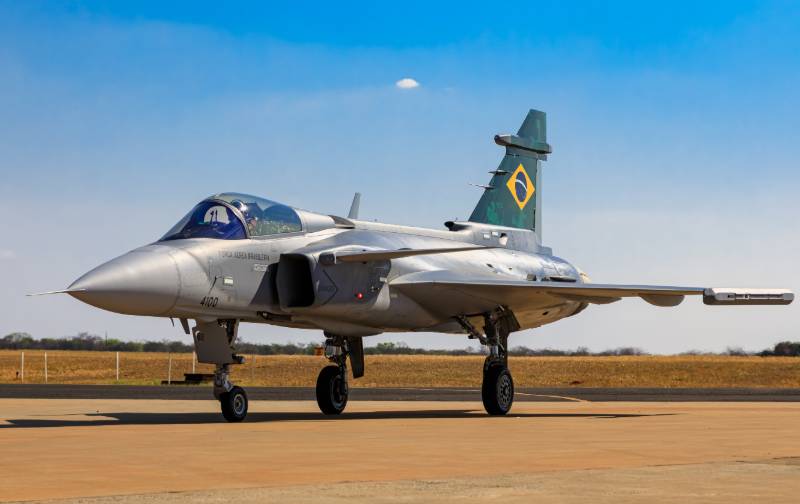
Entering the equation is the Saab Gripen E. At first glance, it’s just another modern fighter competing for a contract. But look closer, and it starts to feel familiar in a way that should make Canadians pause. The Gripen isn’t just about performance. It’s about philosophy.
Designed by Sweden, it was built with independence in mind. It can operate in the cold, from short runways, even on highways. It’s built for flexibility, resilience, and sovereignty, qualities that matter in a country as vast and geographically challenging as Canada. But more importantly, the proposal tied to the Gripen goes beyond the aircraft itself.
We’re talking about building the Canada’s future and just as important … here in Canada.
A potential $400 million investment in a Montreal, Quebec, Canada facility. Local assembly. Technology transfer. Canadian companies are integrated into the supply chain. High-skill jobs created at home and not outsourced.
That’s not just procurement. That’s participation. That’s a chance to rebuild something we lost decades earlier.
Contrast that with the traditional model—buying off-the-shelf from larger allies, relying on external supply chains, and accepting limits on how much control we truly have over our own equipment.
The Avro Arrow showed that Canada could aim higher. That we could lead, not just follow. And while the world has changed since the 1950s, the underlying question hasn’t:
Do we want sovereignty in our defence capabilities, or convenience from yesteryears?
To be clear, this isn’t just about nostalgia. The Arrow isn’t coming back. And no modern program will perfectly recreate what was lost.
But the principle? That still stands.
Because every major procurement decision sends a message—about priorities, about confidence, about the future we’re willing to invest in. Choosing a path that includes domestic production, technology sharing, and industrial growth isn’t just an economic decision. It’s a strategic one.
It says Canada is serious about its place in the world. It is also said, we’re willing to build again.
And maybe most importantly, it says we learned something from the past. For over 60 years, the cancellation of the Avro Arrow has been framed as a mistake. A “what if” moment. A symbol of lost potential.
But symbols only matter if they shape what comes next.
Today, Canada has an opportunity, not to relive history, but to respond to it.
To take a step back toward self-reliance. To invest in its own people. To build, rather than simply buy.
The Gripen proposal isn’t perfect. No deal ever is. But it reopens a door that’s been closed for a long time.
The door to doing it ourselves. And that’s why this decision matters. Because in the end, this isn’t just about jets.
*** It’s about identity.
It’s about whether Canada sees itself as a nation that can still design, build, and lead or *** one that simply signs contracts and looks elsewhere.
Back in the late 50s, Canada and the Avro Arrow story proved that we could. The question now is simple: *** Do we still believe this slogan? “Made in Canada, by Canadians”. Does it still have that nice ring to it? I think it does! ***
*** In the end, this story and opinion is just from an ordinary Canadian’s point of view. ***
I thank you for your coffee donation,☕ it is well appreciated, and don’t forget to share.
Author *** Dave, Kitchener, Ontario, Canada

Web Links
Avro Arrow Museum, Edendale 🔗
Opinion: Rethinking Canada’s Defense: Submarines vs Innovation BLOG 🔗
Opinion: International Law is Just a Guideline BLOG 🔗
Saab Built for Canadian’s 🔗