

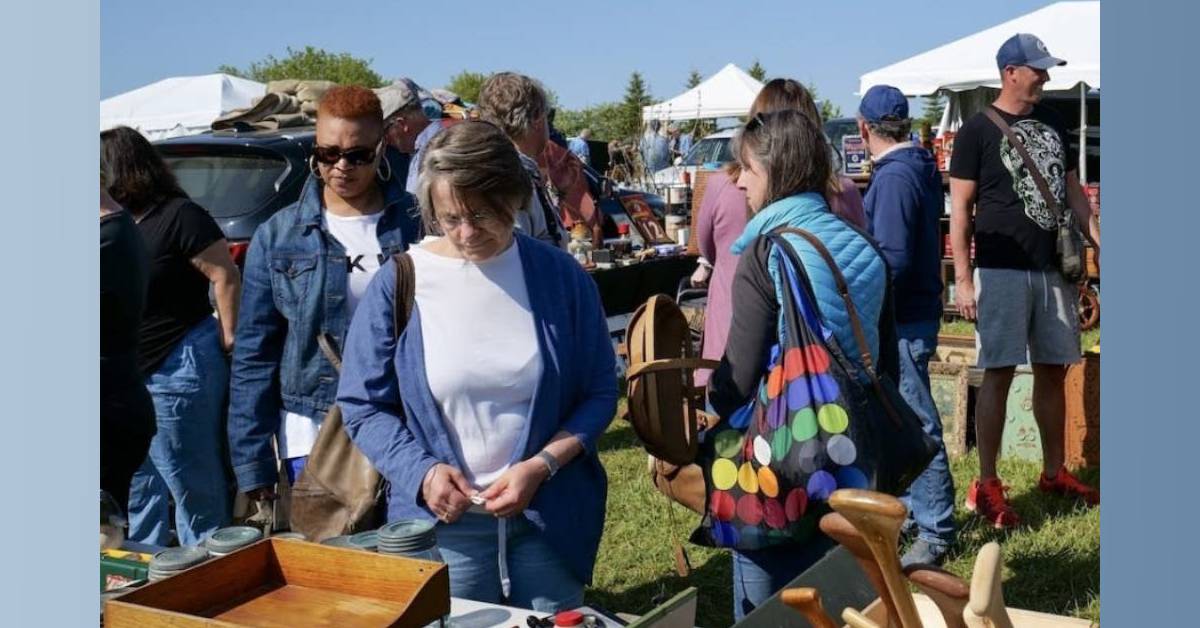
Through the years, as a swap meet vendor, I have noticed: “Where Are All the Young People?”
As an avid car enthusiast, I was excited to attend the first spring classic car show and shine of the season. But as I walked through the rows of polished chrome and custom paint jobs, I couldn’t help but ask myself: Where are all the young people?
Through all fairness, maybe this story could have started with a club member saying, “Young people just aren’t interested in fixing cars anymore.” Or maybe it simply started with my own observations after attending countless car show and shine events over the years.
However, we’ll start my concern here; When winter finally breaks, and it’s time to blow the dust off your pride and joy, lay down a fresh coat of wax, and bring that classic beauty out of storage for its long-awaited moment in the spotlight. For many car enthusiasts, this is the season we wait for all winter long. Yah-who, its time!
As the author of this opinionated blog, I attend as many classic car events as possible throughout the summer. I no longer show my own custom creation, but instead spend my weekends as a vendor, selling leftover auto parts, collectibles, and all those odds and ends that we somehow accumulate over the winter months.
Along with making a few extra bucks, I also enjoy capturing photos, stories, and observations for future articles. But once again, I found myself asking: Where Are the Young Car Enthusiasts?
For those outside the hobby, this is what I will share. Many car enthusiasts spend the winter overhauling project cars or making final touches before proudly unveiling them to the public. And what better place to do that than at a local car show, cruise night, or swap meet?
Classic car events are everywhere throughout the summer, and they remain a huge part of automotive culture. But when you spend an entire day sitting behind a vendor table, you begin noticing changes happening right in front of you.
Now, this may sound like I’m shifting gears halfway through the story, but I’m not. The question remains: “Where are the younger, upcoming car enthusiasts?”
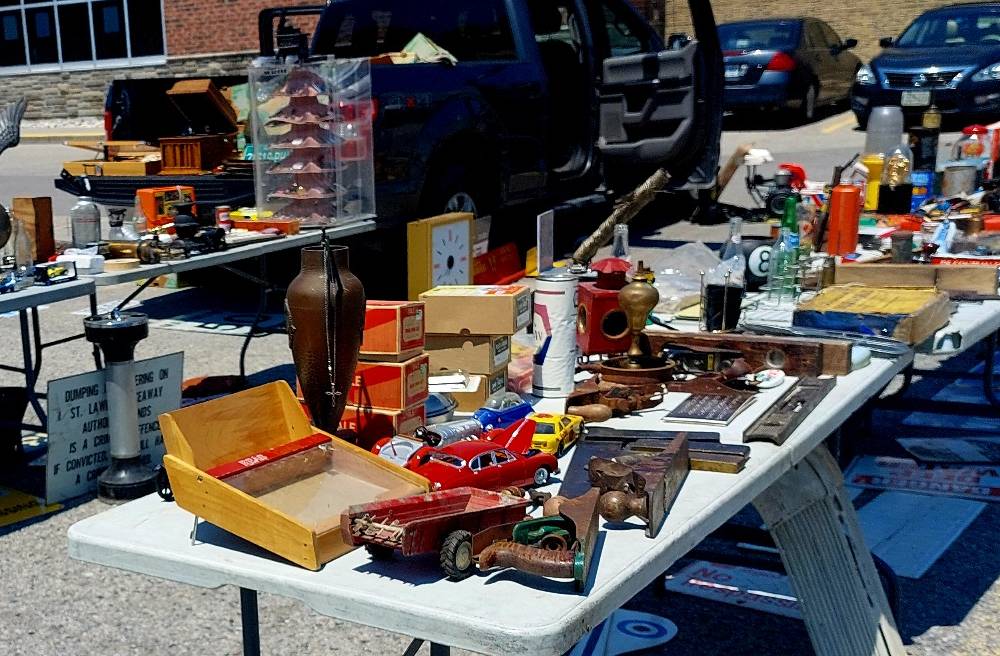
This is where my observation has taken me.
During the cold winter months, while watching football, golf, and even attending a few horse races, I noticed something interesting. Young people were everywhere at those events. Why and why not at our car cultural events?
Because organizers are actively trying to attract them. There are kids’ nights, free giveaways, family activities, youth promotions, and discounted admission for younger audiences. We’ve all seen it before, but maybe we never paid much attention to it. But perhaps we should have.
Many industries understand that if they want to survive long-term, they need to attract the next generation now and not later.
At one horse racing event, I even caught myself thinking: “They’re hooking the younger generation into gambling!” Many people use words like “unethical” or “devious” that automatically come to mind. But from a business perspective, it makes perfect sense. Their goal is to keep the industry alive and moving forward. And somehow, they found a way to do it.
Their advertisements say things like: “Ride your favourite racehorse Wednesday night! And don’t forget, Friday is Free Hot Dog Night for the kids!” “Now that may sound silly, but the strategy works.”
So here’s my question as a concerned car enthusiast: What Can Classic Car Organizers Do to Attract Younger People?
Should admission be free for kids under 12? Should there be youth activities, giveaways, hands-on displays, or interactive experiences? Should organizers work harder to connect with younger audiences through social media and online content?
Whether we want to admit it or not, this concern is very real.
Many swap meet vendors have already noticed declining attendance. Car clubs are struggling to recruit new members. Swap meets and rallies have slowly declined for years. And if you do, mostly old guys. And let’s face reality, the older generation of enthusiasts is getting older.
So the question is, should organizers be concerned? Should the aftermarket automotive industry worry? Well, I think yes!
But, I do believe this issue deserves attention before the next generation loses interest completely. And maybe the future of car shows doesn’t just depend on classic or vintage cars, and maybe the industry as a whole needs an overhaulen.
So, as I’m winding down this story with no solutions or suggestions in sight, I will give this concern another option.
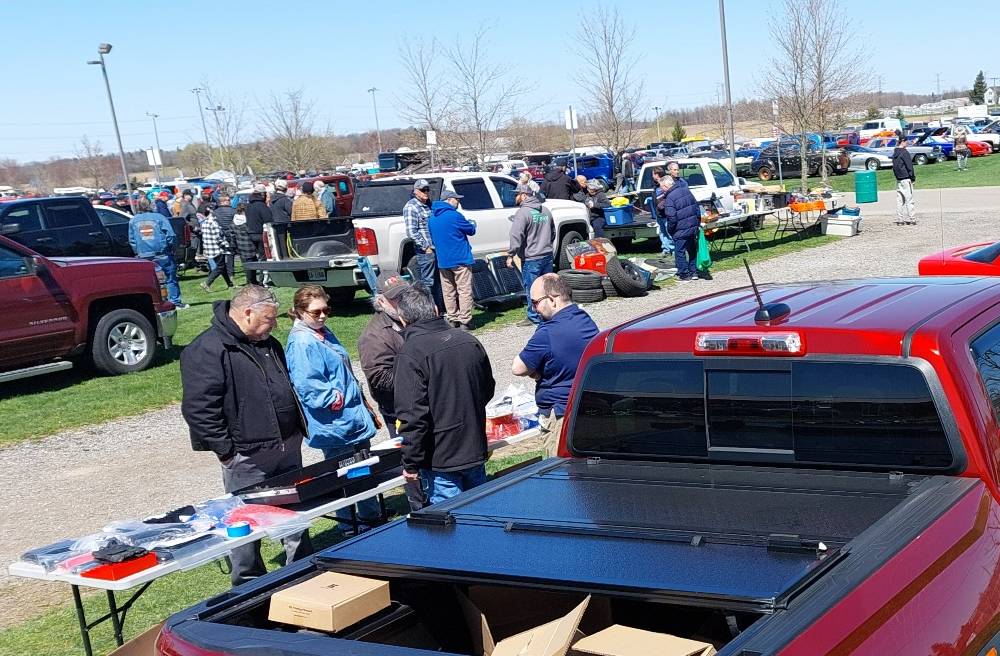
Now I’ll admit, I’m not a fan of (AI) Artificial Intelligence; however, when asking this question, “How to reimagine car shows to attract younger audiences.”
Artificial Intelligence gave an interesting perspective:
Getting younger people into car shows ‘ISN’T ABOUT’ “teaching them to like old cars”—it’s about meeting them where their interests already are and then connecting those interests to car culture.
Right now, traditional car shows often feel static, older-skewing, and hands-off. That’s the opposite of what draws younger crowds.
Here’s what actually works:
Turn Car Shows Into Experiences (Not Just Displays)
Younger audiences want interaction, not just rows of parked vehicles.
- Live engine start-ups, rev battles, or demo runs
- Ride-alongs (even short ones)
- Hands-on zones: “learn to detail,” “basic wrenching 101”
- Build showcases where owners explain their projects in real time
Think less museum, more live event energy.
** 2. Blend Car Culture With Modern Culture
Classic-only shows can feel disconnected from today.
- Include tuner builds, JDM imports, EVs, and custom trucks
- Highlight brands and cars that younger audiences recognize like Nissan Skyline GT-R or Toyota Supra
- Add motorsports tie-ins (drift demos, autocross, sim racing)
A kid who grew up on video games is more likely to show up for something that resembles ‘Need for Speed’ than a strictly stock 1950s lineup.
3. Make It Social Media Native
If it doesn’t exist online, it doesn’t exist to them.
- Create “photo zones” with dramatic backdrops
- Encourage tagging and contests (#BestBuild, #LoudestCar)
- Short-form video stations (TikTok/Reels clips of revs, walkarounds)
- Invite local creators or influencers to feature the event
Car shows should feel like content opportunities, not just viewing.
4. Lower the Barrier to Entry
Many young people assume car shows “aren’t for them.”
- Free or discounted entry for under-25s
- “Bring your daily driver” sections—no judgment
- Student build competitions
- First-timer awards (not just best-in-class trophies)
If everything looks elite, they won’t participate.
- Add Music, Food, and Atmosphere
You’re competing with concerts, festivals, and nightlife.
- Live DJs or bands
- Trendy food trucks
- Night shows with lighting and neon themes
*** A show that feels like a *hangout* will always beat one that feels like a formal exhibit.
- Connect Cars to Identity and Story
Younger generations respond to personal narratives.
- Highlight diverse builders and unique stories
- Showcase budget builds, not just six-figure restorations
- Feature “my first car” journeys
*** A relatable story beats a perfect restoration every time. ***
- Bring in Tech and the Future Angle
Cars today are as much about tech as mechanics.
- EV showcases (like Tesla Model 3)
- Audio system demos
- Driving simulators and VR experiences
This bridges the gap between car culture and tech culture.
- Shorten and Modernize the Format
All-day static shows can feel like a time commitment.
- Offer evening “pop-up” meets
- Themed mini-events (muscle night, import night, truck night)
- Faster judging and more frequent announcements
Keep things moving—attention spans are shorter.
- The Hard Truth
If a car show looks like it did in 1995, it will age out with the people who loved it in 1995. The shows that survive are the ones that evolve into culture hubs, not just car displays.
I hope the enthusiasm we have for the car warning does not fall on deaf ears.
Overview
The flyers for classic car shows and events are only a small part of the automotive story. The global automotive aftermarket industry is valued at over $500 billion as of 2025-2026.
As economists/optimist expect growth, I, however, believe there will be a decline.
Even though repairing your Sunday go-to-meeting beater is getting more popular for driveway mechanics, the interest in vintage or classic cars does not look favourable.
One might even suggest revamping the car club’s iconic title (car clubs) to something a little more “modern,” catchy to entice the younger generation into the realm.
Maybe the classic car shows and car club label need rebranding.
It’s got old vibes, and the title really has not kept up with the fast-moving times. Does “Car club” give an outdated impression?
As the perception has always been building hotrod, overhauling classic cars, many of us work on our work beaters to get through another work week. We mingle with like-minded car enthusiasts and, yes, hang out at fun car shows.
It’s not totally about restoring old, but classic or vintage vehicles.
Check out Old Auto newspaper for all your classic car needs and stories. CLICK HERE
- AI also commented *** It’s like something tied to jackets, dues, and monthly meetings in a hall. If you want something that resonates with a younger or more modern crowd, the trick is to shift from formal membership to community, culture, and experience.
I have no idea what that means, but as a car guy, I found that AI answer interesting.
Powered by Canada’s best web provider. “Web Hosting Canada”
“Written by Dave Wettlaufer. A once truck driver, a heavy equipment, truck, coach and everything in-between mechanic. Now turned, opinionated Blogger.
☕ Buying me a Coffee would be greatly appreciated. Many thanks for considering my request through PayPal.