


Before gasoline became the go-to fuel for automobiles, inventors experimented with a wide range of alternative fuels for cars and trucks. Wood gas, coal gas, hydrogen, steam, peanut oil, and even at one point in history, perfume powered internal combustion engines.
Today, gasoline and diesel are considered standard automotive fuels; however, history shows a much broader landscape of forgotten fuels and early transportation energy sources.
As a former engine mechanic, I’ve always been fascinated by these early innovations. Some were surprisingly effective, others, in my opinion, impractical; however, many were capable of actually moving people and machinery from point A to B. This raises an interesting question: If these alternative fuels worked in the past, could they work again today?
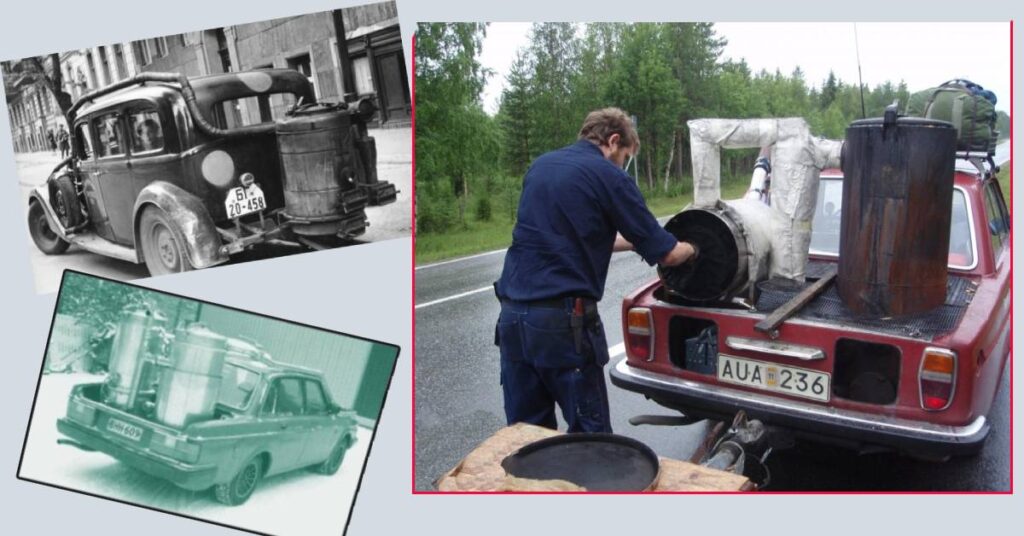
** Here are 10 ‘how to make alternative fuels’ that have been proven to work and were shelved. **
1. Wood Gasification: Running Vehicles on Firewood
Wood gasification is one of the most well-documented alternative vehicle fuels in history.
During World War II, fuel shortages led to widespread adoption of wood gas systems. It is estimated that over one million vehicles in Europe ran on wood gasifiers, converting firewood into combustible gas to power engines.
How wood gas works: Wood is heated in a low-oxygen environment, producing a flammable gas mixture that can be fed into an internal combustion engine.
Although largely abandoned after the war due to cheap gasoline, wood gas remains popular today among:
- off-grid enthusiasts
- farmers
- DIY mechanics
- preppers
Modern interest in wood gas generators for vehicles continues to grow through online demonstrations and experimental builds. 🔗
2. Hydrogen: The First Alternative Fuel Concept
Hydrogen—once called “inflammable air”—was one of the earliest discovered gases used for energy experiments.
In 1807, François Isaac de Rivaz built one of the first hydrogen-powered vehicles using a spark ignition system. While groundbreaking, early hydrogen engines struggled with storage, safety, and production limitations.
Today, hydrogen is again being explored as a clean alternative fuel for transportation, especially in fuel cell technology.
3. Coal Gas: The First Commercial Engine Fuel
Before gasoline, coal gas (also called illuminating gas) was one of the first fuels used in early internal combustion engines.
Pioneers like Philippe Lebon and Étienne Lenoir used coal gas to power stationary engines and early vehicles.
Coal gas played an important role in the early development of internal combustion engine fuel systems before petroleum became dominant.
4. Early Electric Vehicles (1830s–1900s)
Electric vehicles are often thought of as modern, but they actually date back to the 19th century. In fact, early electric cars in the 1800s were popular due to their:
- quiet operation
- ease of use
- lack of hand cranking
At the time, EVs competed directly with steam and gasoline vehicles. However, limited battery technology and the rise of mass-produced gasoline cars caused them to fade from the market, “until their modern revival.”
5. Camphene: America’s First Liquid Fuel for Engines
Camphene was a common early fuel in the United States, made from turpentine and alcohol.
In 1826, inventor Samuel Morey demonstrated one of the first engines powered by vaporized liquid fuel, using camphene and a primitive carburetor system.
This represents an early stage in the evolution of liquid motor fuels before gasoline.
6. Ligroin and Benzene: Early Fuel from Chemical Solvents
When Karl Benz built his first automobile in 1885, he purchased ligroin from a pharmacy rather than a fuel station. Early engines could run on various coal-tar distillates such as benzene and ligroin, making early automotive fuel highly flexible.
This era highlights the experimental nature of early automobile fuel development before petroleum standardization.
7. Peanut Oil: Rudolf Diesel’s Renewable Fuel Vision
One of the most famous early alternative fuel demonstrations occurred in 1900, when Rudolf Diesel ran his engine on peanut oil at the World’s Fair in Paris. Diesel originally envisioned agricultural communities (farmers) to producing their own fuel, creating a system of renewable biofuel production from crops.
Although petroleum eventually dominated the landscape, this concept directly inspired modern biodiesel.
8. Steam Cars: Early High-Performance Alternative Energy Vehicles
Steam-powered vehicles were among the earliest successful automobiles.
Some early steam cars reached speeds of up to 125 mph (200 km/h) in the early 1900s. They were powerful, quiet, and relatively clean, but had drawbacks such as:
- long startup times
- heavy boilers
- safety risks
Despite this, steam vehicles played a major role in early automotive energy innovation.
Here is a point of interest: Very few of these unique steam cars exist today, however, at a a museum in Stratford, Ontario, it prides itself on owning and displaying the “Brooks Steamer.” One of the few that’s still in existence.
9. Chrysler Turbine Car: Multi-Fuel Experimental Technology
In the 1960s, Chrysler built 55 experimental turbine cars powered by jet-style engines.
These vehicles could run on multiple fuels, including:
- diesel
- kerosene
- vegetable oil
- even perfume during testing
The Chrysler Turbine Car remains one of the most fascinating examples of multi-fuel experimental vehicles in automotive history.
10. Biodiesel, Vegetable Oil, and Modern Fuel Conversions
Modern interest in biodiesel and vegetable oil fuel conversions continues the legacy of early alternative fuels. Used cooking oil, canola oil, and other vegetable oils can be converted into biodiesel or used in modified diesel engines.
Important considerations:
- Vegetable oil is too thick for standard diesel engines
- Fuel heating systems are required
- Improper use can damage injectors and fuel systems
Did you know: Canola oil is widely studied as a biodiesel feedstock due to its renewable nature and lower emissions. Today, biodiesel remains one of the most practical renewable diesel fuel alternatives.
Why These Alternative Fuels Disappeared???
So we all know, gasoline’s victory was inevitable. A combination of infrastructure, engineering breakthroughs, and cost eventually made gasoline the global standard.
In the end, convenience often proved more powerful than innovation
In many cases, alternative fuels were not abandoned because they failed, but because petroleum became more practical and widely available.
The Amish Have Never Paid a Fuel Bill — This Is the Exact System They Use 🔗
*** Final Thoughts: The Future of Alternative Fuels ***
History shows that transportation has never depended on a single fuel source. From wood gas and steam to peanut oil and hydrogen, humanity has repeatedly proven that there are many ways to power engines.
As fuel technology continues to evolve, these forgotten experiments may become relevant again in discussions about:
- renewable energy
- energy independence
- sustainable transportation
- As I’m putting the finishing touches on my article, this YouTube/video comes down the pipe that I found interesting. A Canadian entrepreneur, Roger Gordon, shows off his ammonia-powered Ford F-350 truck, which he claims costs just 25¢/L to fill up, and only requires a $1,000 conversion to convert his truck over to use ammonia. With zero carbon emissions, that should impress the green energy advocates.
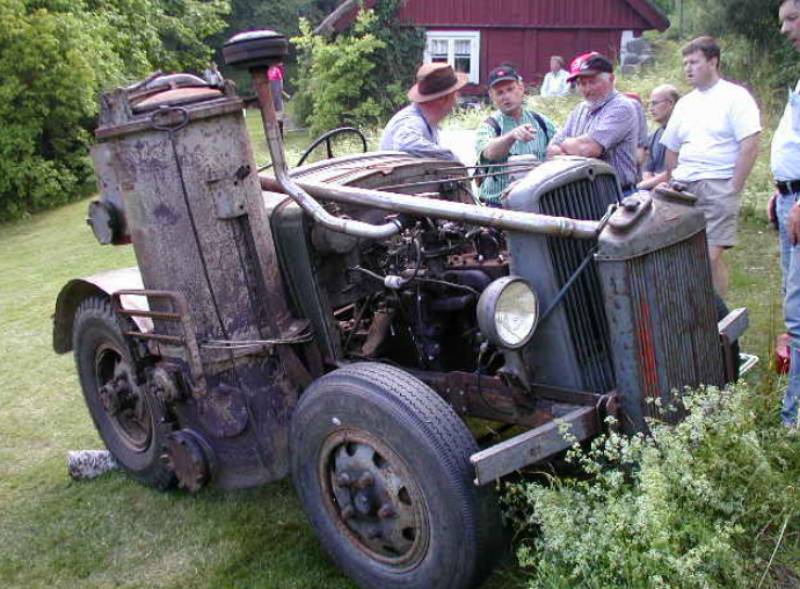
One of the most striking of alternative fuel is this example. During World War II over a million cars and trucks ran on nothing more than firewood/fumes. That alone is a powerful reminder that innovation in alternative fuels for vehicles has always been driven by necessity.

My website is powered by Canada’s best Web provider called. “Web Hosting Canada” 🔗
“Written by Dave Wettlaufer, (handle- Flippen Canadian) A once truck driver, a heavy equipment, truck and coach and everything in-between mechanic. Now turned, opinionated Blogger. If you found this article helpful or interesting, please share on Social Media, and thank you in advance for supporting my writing, ☕ ‘one coffee at a time. Dave 🔗