

In the late ’70s and ’80s a fuel-economy push created a short-lived diesel wave. Something remarkable happened in North America’s auto industry and is largely forgotten today.
With gas prices at a premium, Detroit, a long symbol of industrial might, went shopping overseas for diesel engines. Not for exotic sports cars. Not for niche imports. But for mainstream American-branded —
passenger cars. Automakers promised efficiency during those troubled times, and what they delivered (in several cases) were foreign-built diesel engines bolted into domestic American-built nameplates.
The list of examples is short; however, the implications are not.
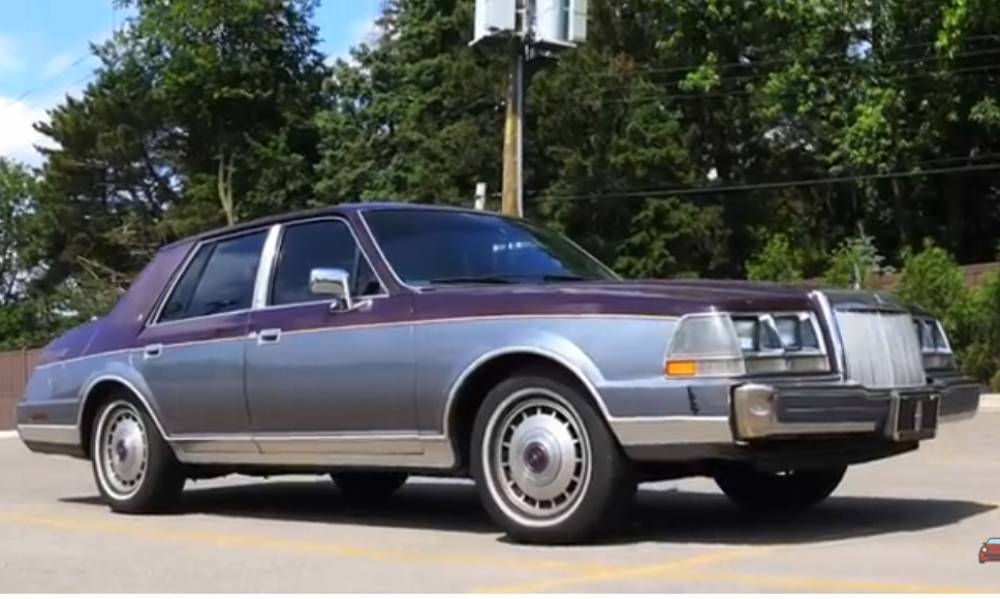
>> Take, for example, “A German Heart in a Lincoln Continental.”
In 1984, Ford’s luxury division offered something that would have been unthinkable a decade earlier: a German-built diesel engine under the hood of a Lincoln Continental.
The engine came from BMW — a 2.4L turbocharged inline-six known as the M21. It was smooth by diesel standards of the day, reasonably refined, and built in Germany.
It was also underpowered for a heavy American luxury sedan, producing just over 110 horsepower. The diesel Continental lasted barely two model years. Sales were weak. Buyers expecting quiet V8 authority were not persuaded by fuel economy arguments.
But the symbolism was unmistakable. A flagship American luxury brand had outsourced its efficiency solution to Europe.
Did you know a 1961 Ford F150 comes with an optional Onan Generator? (click here)
>> Example … “GM Turns to Japan.”
General Motors faced a different problem.
Its in-house 5.7L diesel V8, derived from a gasoline engine design had become a public-relations disaster. Reliability issues eroded consumer trust in diesel technology almost overnight. Most mechanics who worked on them coined them “boat ankers”.
So GM looked east. The subcompact Chevrolet Chevette and its Pontiac twin, the T1000, could be ordered with a 1.8L diesel engine sourced from Isuzu. Unlike GM’s troubled domestic diesel, the Isuzu unit was durable and economical. In many ways, it was exactly what buyers wanted.
But again, the irony was hard to miss: the most dependable diesel in a “domestic” GM passenger car was not domestic at all.
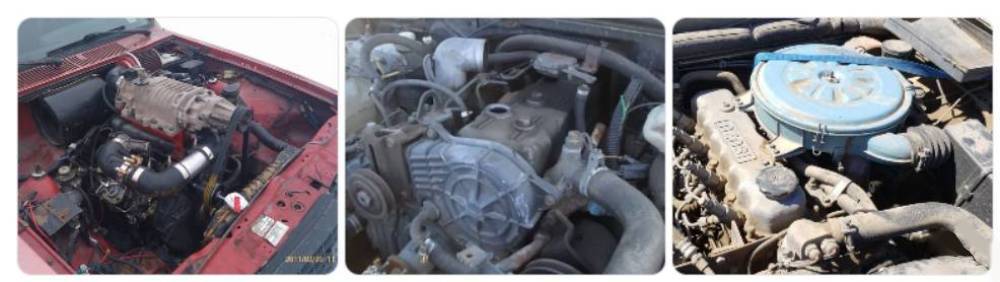
How Many Were There, You Ask?
If we focus strictly on American-branded passenger cars in the 1980s with factory-installed offshore diesel engines, research showed the number is surprisingly small:
- Lincoln Continental (BMW diesel)
- Chevrolet Chevette (Isuzu diesel)
- Pontiac T1000 (Isuzu diesel)
- Ford Ranger (Mazda or Perkins) powerhouse.
- Ford Tempo diesel experiments. (Mazda Influence)
Five mainstream nameplates in an entire decade. That’s it. This was not a sweeping diesel revolution. It was a short-lived, reactive experiment driven by regulatory pressure, fuel-price anxiety, and competitive fear.
And it revealed something deeper about industrial strategy under stress.
**Here is an interesting thought with a Canadian reality connection: “Integration Without Independence.”
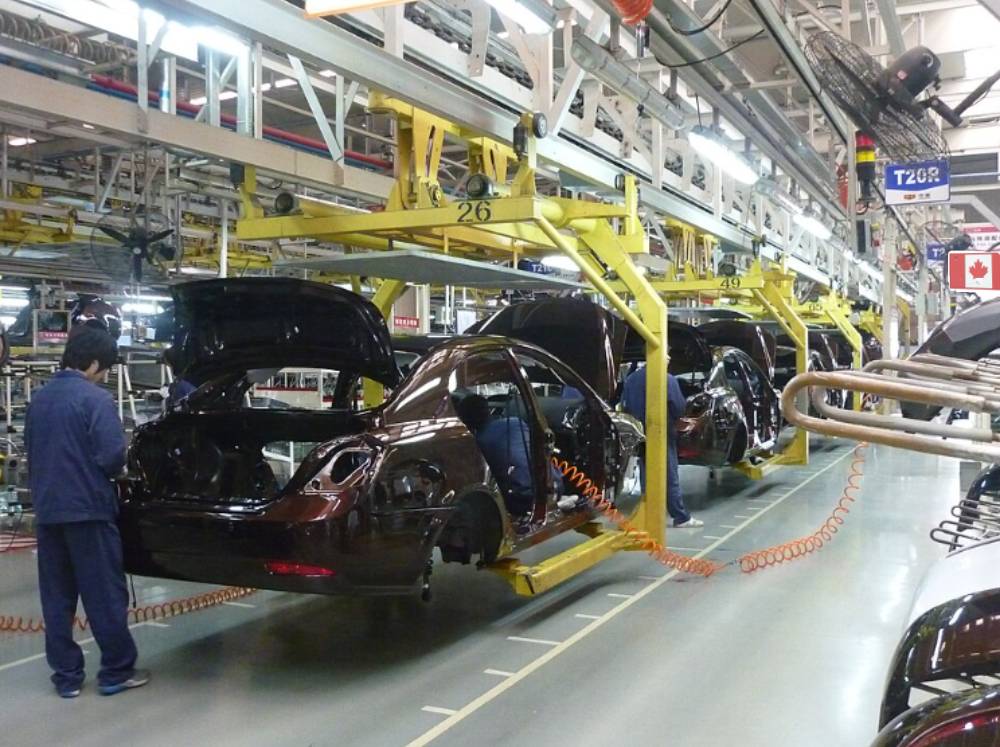
For Canada, the story carried additional weight. Canada has long been deeply integrated into the North American auto industry. Plants in Ontario assembled vehicles for continental distribution. Workers built world-class products.
However, when it came to critical powertrain technology in the 1980s with the diesel experiment, Canada was not designing the engines. It was installing them. Canadian buyers received the same BMW-powered Lincoln and the same Isuzu-powered Chevette.
“The engineering decisions were made elsewhere.”
Meanwhile, European brands, particularly Volkswagen, were building diesel credibility in Canada’s colder climate and long-distance driving culture. Diesel passenger cars arguably made more sense in parts of Canada than in many regions of the United States.
Yet neither Canada nor the United States led the diesel passenger car innovation cycle during that era. We assembled. We adapted. We imported. The badge said North American, but the engineering often did not.
However, in many cases, this is mainstream in today’s world.
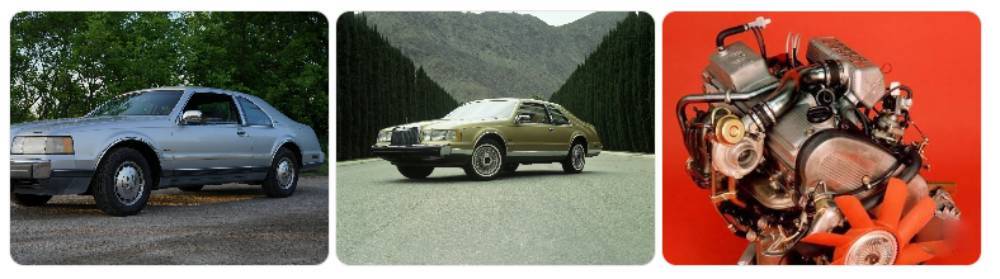
14 Companies That Specialize In Diesel Conversions (click here)
Why This Episode Still Matters
By the late 1980s, the diesel passenger car experiment had largely faded. Fuel prices stabilized. Consumer trust had been shaken. Gasoline engines improved dramatically. The offshore diesel chapter closed as quietly as it came
But the pattern it revealed is worth examining today. When regulatory pressure and market disruption hit, Detroit did not develop a competitive, clean-sheet domestic diesel strategy for passenger cars. It sourced solutions overseas. That is not a moral failure. “It is a strategic one.”
*** And for Canada, whose automotive industry depends heavily on foreign capital, foreign design decisions, and foreign technology, it is a cautionary tale. Industrial strength is not just about assembly lines. It is about the control of core technology. When the engine, “literal or metaphorical,” is built elsewhere, sovereignty narrows.
James Bond Corvorado Cadillac Pimpmobile (click here)
The Echo in Today’s Transition
The 1980s diesel moment may feel distant, but its outline is familiar. Today, the question is no longer diesel versus gasoline.
It is batteries. Software. Semiconductor supply chains.
*Who designs the propulsion systems?
*Who owns the intellectual property?
*Who controls the raw materials?
*Who captures the high-value jobs?
If history teaches anything, it is this: when disruption arrives, nations that design the core technology shape the future. Those who assemble imported systems well … fall behind.
Canada’s automotive workforce remains highly skilled. Its manufacturing base remains significant. But long-term resilience depends on more than plants and payrolls. It depends on technological authorship.
In the 1980s, when Detroit imported diesel engines to solve a domestic problem, it offered a quiet preview of how industrial dependency can creep in, not through collapse, but through convenience.
It was a small chapter in automotive history, and, “without getting too political,” a lesson for Canada. It may yet prove to be a large lesson in economic sovereignty.
Final Comment.
“While Detroit scrambled to respond to fuel economy mandates in the early 70 and 80s, only a handful of American cars actually relied on imported diesel technology, and the experiment was over almost as quickly as it began.”
This article ties in nicely with the theme of:
- Energy dependence
- Industrial policy
- Domestic manufacturing decline
- Consumer trust collapsed after the GM diesel scandal.
If you found my article interesting and or informative, please consider buying me a coffee through PayPal.

Just downloaded this app and the login process is so smooth. Finally a gaming platform that actually works on my phone without any hiccups. The daily rewards keep me coming back every single day. Highly recommend it to all my friends here in Manila. Give it a try and you will not regret it. phplaytimeapplogin