

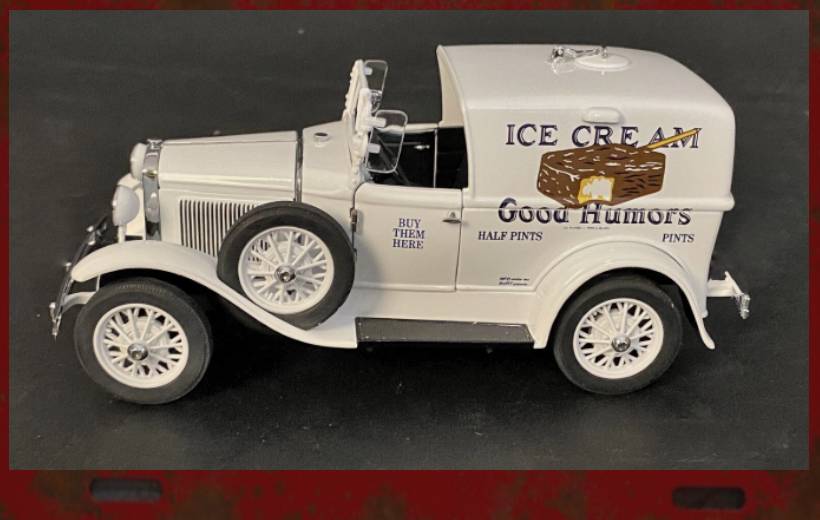
The earliest Good Humor ice cream trucks were built around 1920 with the open-cab design, ‘shown above’ that defined an era. This is why a collector, restorer, or even car enthusiast should recreate one.
The Good Humor ice cream truck story could have started when doing preventive maintenance to my work beater, or … this thought could have started with a friend’s suggestion of an early ice cream truck of days gone by. “For those who thought that’s a silly idea, “” I, however, disagree. “”
As I’m looking around the car club, one frame-off restoration in one corner and a rare GTO Judge in the other. But, as I see all the hard work and dedication these members put into their projects, I’m thinking what we need is something different, and this idea of an ‘open cab ice cream truck’ came to mind.’ With a little research and creative thinking, >>> how hard could it be to resurrect an ice cream truck from the early days? <<<
The Ford 1929 open cab design would be an interesting change at car shows from the usual classic cars.

*** Should you liquidate your classic car collection before you die? “CLICK HERE” for my opinion. ***
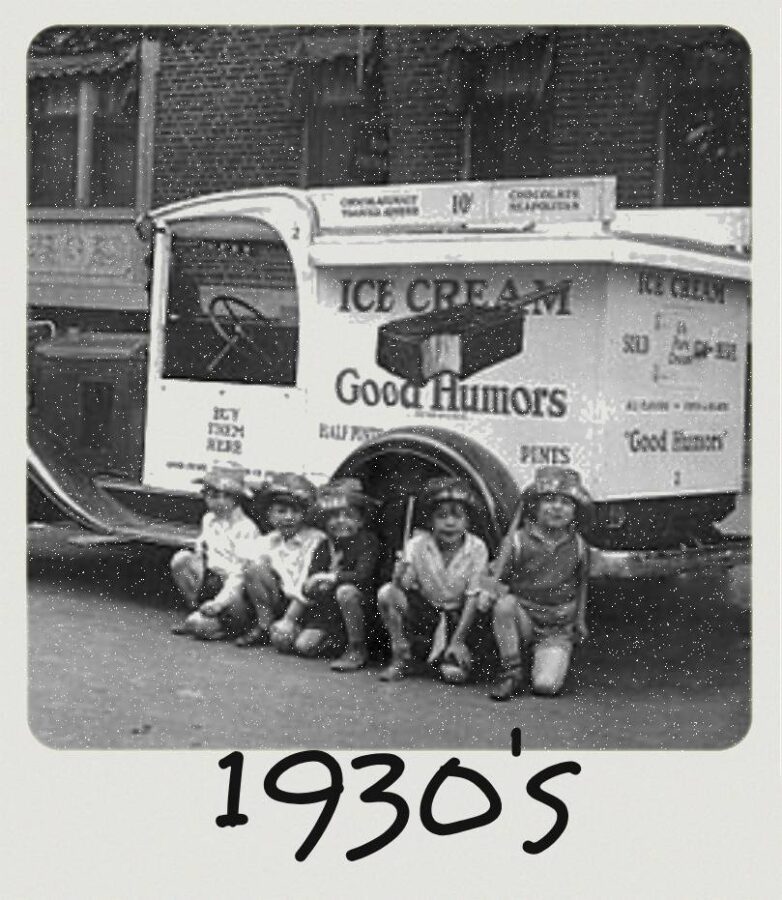
Here is a history of Good Humor ice cream trucks with an open concept cab.
“The Birth of the Ice Cream Truck.”
Long before cheerful jingles echoed through suburban streets, the first ice cream trucks were raw, practical machines built out of necessity. In the early 1920s, mobile ice cream vending was a new idea—one that required innovation, speed, and simplicity.
These earliest vehicles weren’t the polished, purpose-built trucks we associate with mid-century delivery fleets. Instead, some were open-cab workhorses, lightweight, exposed, and often assembled with whatever materials were available. Their mission was straightforward: “keep ice cream cold and get it into customers’ hands before it melted.”
1953 Chevrolet 3100 Good Humor Ice Cream Truck – One Scoop or Two? C10 Nationals
Why the Open Cab Design Worked
The open-cab layout wasn’t a stylistic or memorable choice; it was a practical one.
By eliminating doors, roofs, and unnecessary structure, early vendors reduced weight and cost while improving accessibility. Drivers could hop in and out quickly, serve customers directly, and keep their routes moving efficiently.
Ventilation was another unexpected advantage. With no enclosed cab, heat buildup was minimized—an important factor when transporting a product as sensitive as ice cream.
In short, the open cab was the simplest solution to a very real problem.
Research should they were built and, “Not Manufactured”
One of the most fascinating aspects of these early trucks is that they weren’t standardized. There was no factory blueprint, no assembly line, and no uniform design language.
Most were:
* Built on a light truck chassis from the early 1920s
* Fitted with hand-constructed wooden storage boxes
*Coachbuilders or body shops, Standard Auto Body, Divco
Built delivery bodies, utility trucks, or custom commercial bodies
* Modified locally by craftsmen, small shops, or local
Each vehicle was slightly different, reflecting the materials, skills, and needs of its builder. That lack of uniformity is exactly what makes them so intriguing—and so difficult to document today.
The Ice Cream Box: Function Over Form. At the heart of every early ice cream truck was its storage box.
Mounted directly behind the driver, this insulated compartment was designed to preserve frozen treats using a simple but effective method: block ice and salt. Inside, a metal lining helped contain moisture while insulation, often cork or sawdust, slowed the melting process.
In the early days there was no refrigeration, no compressors, and no electrical systems. Everything relied on physics, timing, and careful planning.
Access was typically through a top lid or rear hatch, allowing the vendor to serve customers without stepping inside. It was, in essence, a large ice chest on wheels.
Branding in Its Infancy
Unlike the instantly recognizable trucks of later decades, early ice cream vehicles carried minimal branding.
Paint schemes were often light in colour—cream, white, or pale yellow—to reflect heat. Lettering, when present, was usually hand-painted and far from perfect. Logos were inconsistent, and some vehicles had no branding at all.
This wasn’t yet a marketing machine. It was a small business on wheels.
*Why So Few Survived?
Despite their historical significance, almost none of these early open-cab trucks exist today.
There are a few key reasons:
* Heavy daily use wore them out quickly
* Wooden bodies deteriorated over time
* Many were repurposed or scrapped during the 1930s
Unlike later commercial vehicles that were preserved or collected, these early trucks were seen as disposable tools. Once they outlived their usefulness, they simply disappeared.
Recreating a Lost Icon
For collectors and restorers, rebuilding an early open-cab ice cream truck offers a rare opportunity: not just to restore a vehicle, but to interpret a moment in history.
Authenticity comes from restraint. The goal isn’t perfection—it’s plausibility.
A convincing recreation should embrace:
* An exposed driver’s position
* A simple, hand-built wooden box
* Period-correct materials and finishes
* Subtle, imperfect detailing
Modern conveniences can be hidden if necessary, but visually, the truck should feel like it belongs to a time before standardization took over.
The Legacy of Simplicity
These early trucks laid the foundation for everything that followed. By the 1930s and 1940s, enclosed cabs, factory-built bodies, and mechanical refrigeration would transform the industry.
But the spirit of the ice cream truck—the idea of bringing a simple pleasure directly to the customer—began with these humble, open-air machines.
They weren’t flashy. They weren’t refined.
But they worked. And sometimes, that’s what makes history worth preserving.
Final Thoughts
Recreating an early open-cab ice cream truck isn’t about building a showpiece—it’s about capturing a feeling. It’s about stepping back into a time when innovation was driven by necessity, and success depended on ingenuity rather than technology.
In many ways, these forgotten vehicles represent the purest form of mobile entrepreneurship: simple, direct, and remarkably effective.
And for those overhaulen, collectors, restorers or even enthusiasts willing to bring one back to life, they offer something rare, a chance to rebuild not just a truck, but the very beginning of an American open cab style icon.
Comments
Mike XXXX
**** For many years we only had the Good Humor man and his tricycle-mounted freezer rolling along on our street, bells ringing loudly. After the street was paved, he graduated to a motorized freezer-on-wheels. Eventually, Borden’s got into the game with their “Buy 5, Get One Free” punch cards. Not long after, the independent dealers joined in the Ice Cream Sales game and ruled the streets for the decades ahead.
On my g’ma’s street in Detroit, we were always treated with a goodie from the Mister Softee vendor – I still remember that melody.
Jeanette XXXX
*** With little kids (and older ones) running, eyes wide and cash in hand.” – Funny. Growing up in the ’60s and hearing that truck’s tunes playing as it moved slowly, street-by-street through my neighborhood most evenings, it was my first taste of being an addict, excitedly running to catch my next (sugar/chocolate) “fix.” And it was good.
Never mind ‘overhaulen’ the same old, be brave and “try something different.”
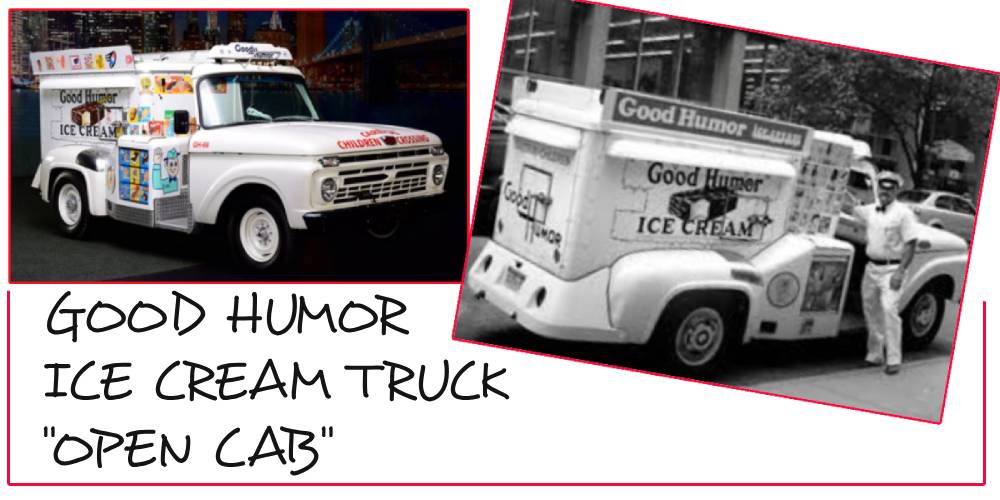
BOTTOM LINE
“Written by Dave Wettlaufer with lots of help from Chat GPT correcting my poor grammar and spelling.
A once truck driver, a heavy equipment, truck and coach and everything in-between mechanic. Now turned, opinionated Blogger.


Thanks to:
Pinterest … More Ice Cream Trucks Photos 🔗
Hagarty Insurance
Photopea (Free Photo Manipulation program)
Facebook Photo.