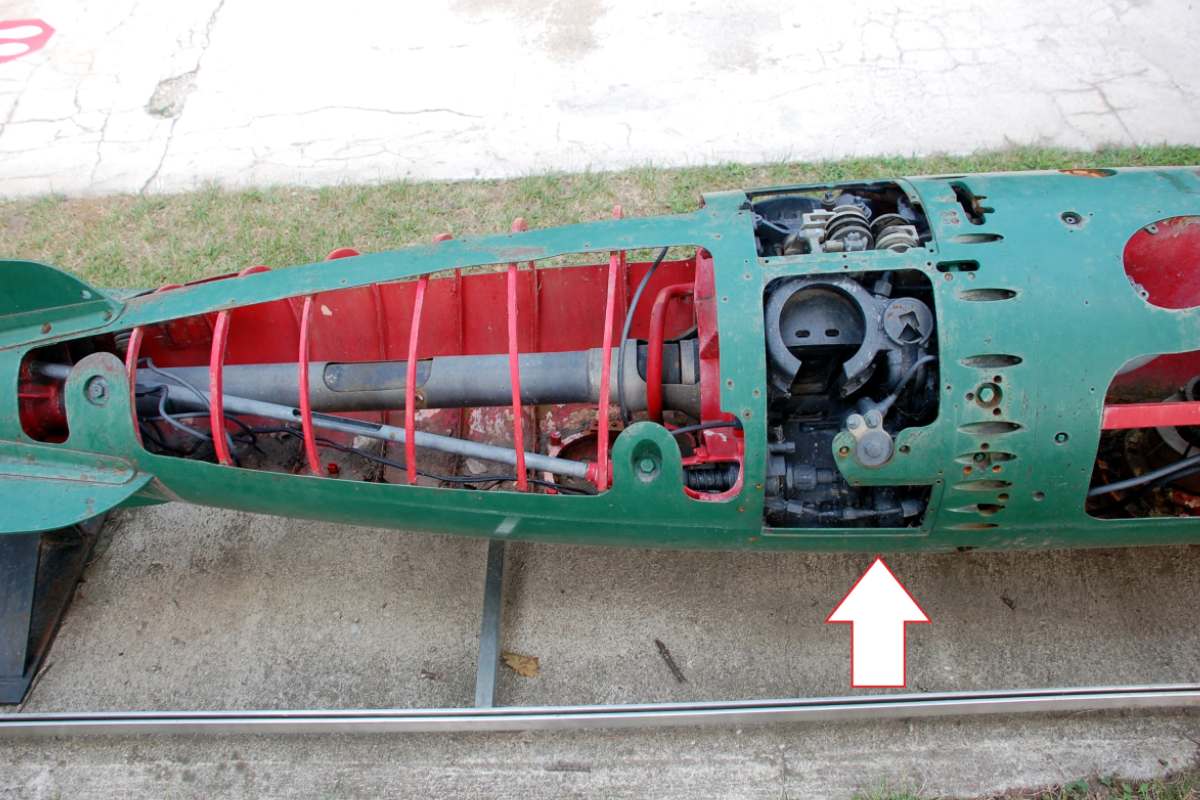
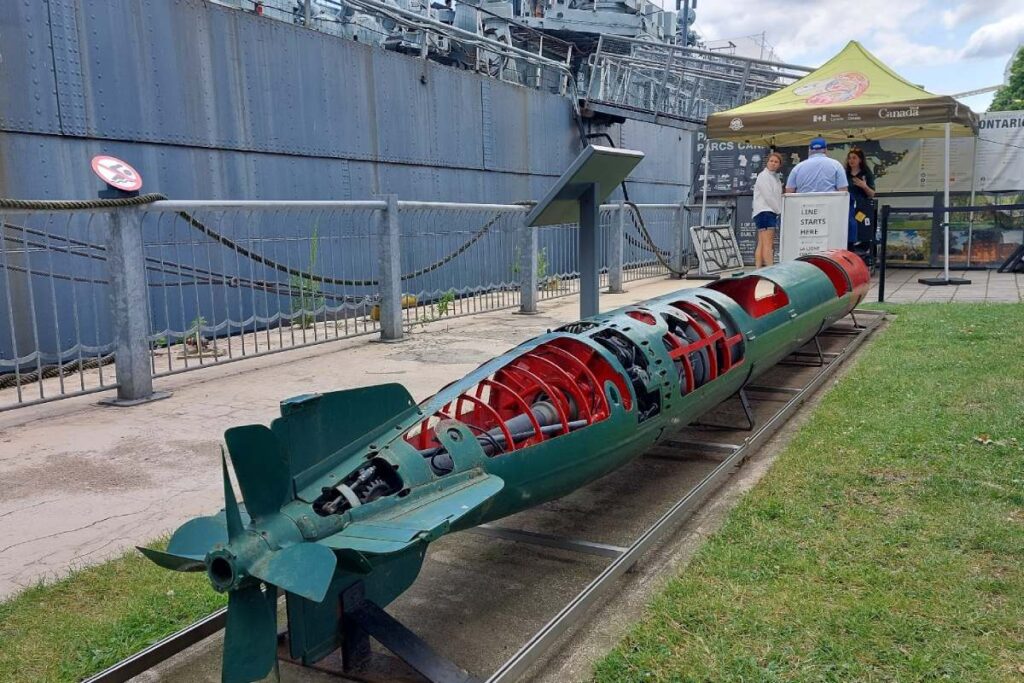
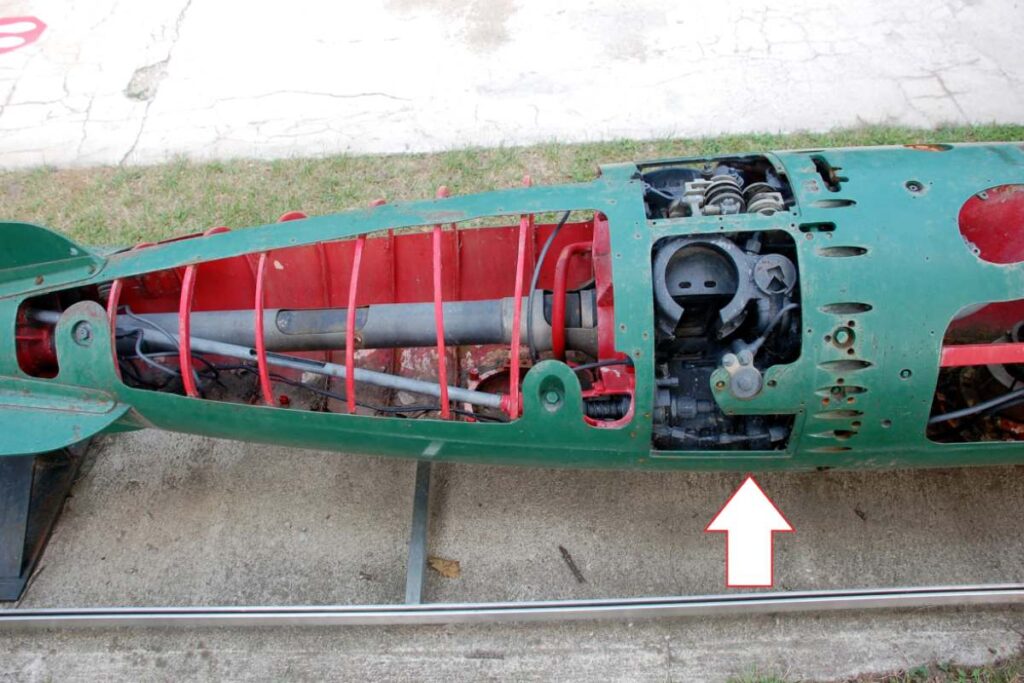
Visiting the HMCS Haida in Hamilton, I noticed a cutout view of a Second World War Torpedo. Did you know this 21-inch Mark 9 Torpedo had a unique 4-cylinder radial diesel engine producing a whopping 350 HP? That performance and horsepower can only be seen in high-test hot rods. And that, folks, is the theme of this article: “the engine.”
WARNING: This article’s subject matter is not for everyone; however, the focus is not on the warfare for which it was intended; it’s torpedo engineering, small gears and that small 4-cylinder engine that I found fascinating. (featured photo)
Our latest Daytrippen Adventure began with a visit to the permanently docked “HMCS Haida” in Hamilton Harbour.
While boarding this famous Canadian warship “that is an experience in itself,” what made me stop and look was the very first display that immediately caught my attention. Standing before me was a cutaway view of a 21-inch WW2 Mark 9 torpedo, exposing all the gears and small parts that made it do what it did.
Now we all know what torpedoes were designed to do, and that’s not the direction I want this story to take. Instead, I was captivated by the engineering hidden inside this narrow steel tube.
If you enjoy mechanics and ingenious design, this story is for you.
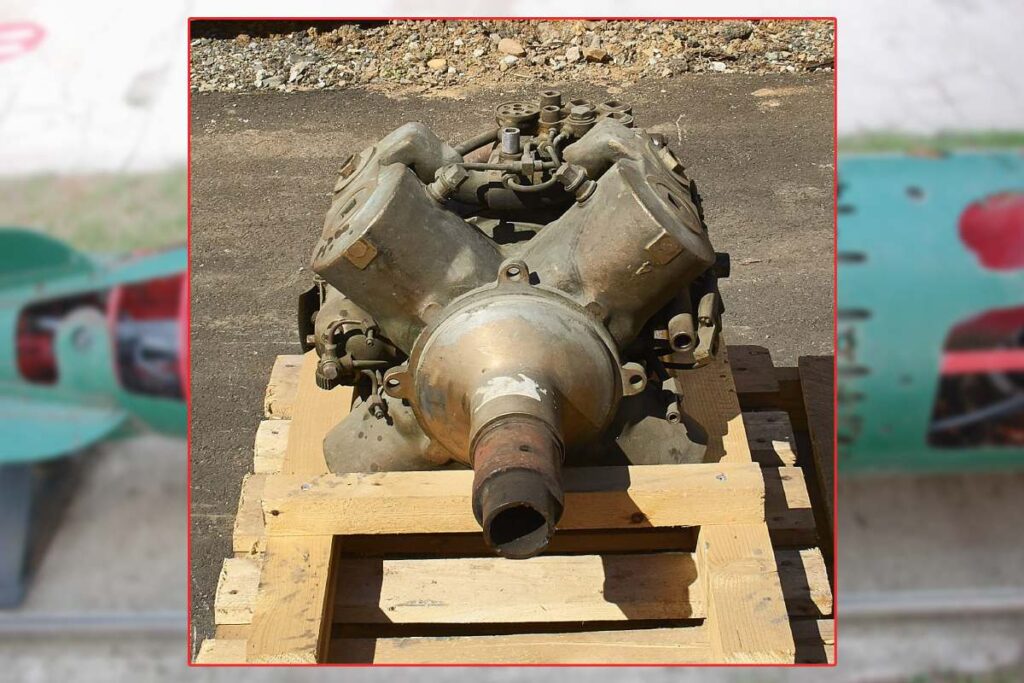
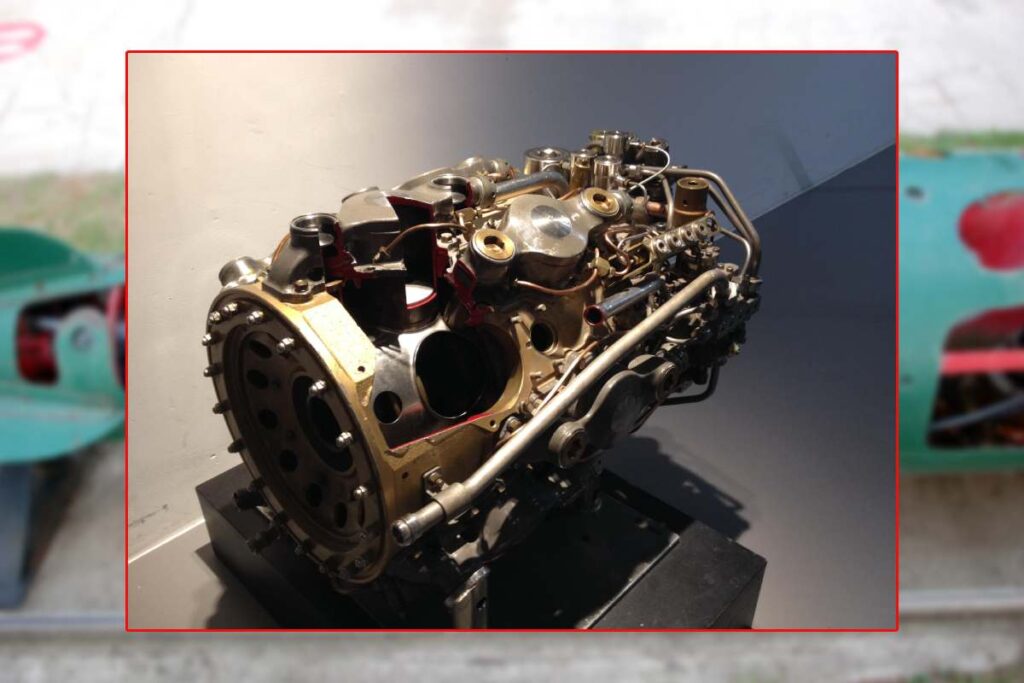
This was the amazing part: Inside the torpedo casing was a compact radial engine made primarily of bronze and steel. Unlike a conventional inline engine, its four cylinders were arranged in an “X” pattern, pointing outward from a central crankshaft. This unusual design allowed the entire engine to fit inside the narrow body of the torpedo while leaving room for ‘compressed air,’ fuel, and water tanks to make it run.
Although this 4-cylinder diesel by all intents measures less than two feet across, it produces an astounding 350 hp at maximum power setting. Every inch of available space in that tube was carefully engineered to maximize performance while keeping the unit as compact and lightweight as possible.
The radial torpedo engine was originally developed from a design by Peter Brotherhood in 1875 and was later adapted by Robert Whitehead for naval torpedo propulsion. Typically built with three or four cylinders arranged around a central crankshaft, it became one of the most innovative underwater propulsion systems of its time.
- While researching this display, I came across an excellent description on the Facebook page of a “G7A Torpedo Radial Engine,” which helped explain how these remarkable engines operated.
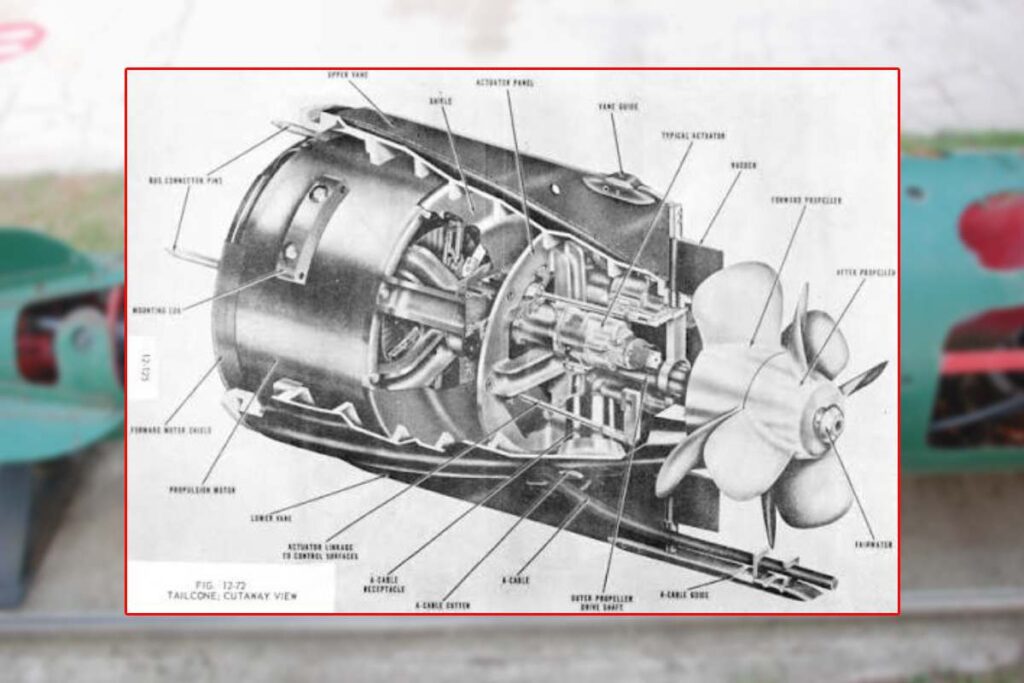
According to the information, the engine shown above is a four-cylinder radial engine from a German WWII G7A torpedo. It operated using decalin fuel (decahydronaphthalene), which was initially burned with compressed air stored inside the torpedo.
The combustion gases were then directed through a device called a wet heater, where water from an onboard tank was injected to produce superheated steam.
This high-pressure mixture of steam and compressed air was then routed into the engine to drive the pistons. Because the entire combustion and steam-generation system was completely self-contained, the torpedo could operate underwater without requiring outside air.
Again, as mentioned, the four-cylinder radial engine produced as much as 350 horsepower at maximum output. That was enough to propel the 26-foot (over seven-metre) torpedo at speeds approaching 90 km/h (about 50 mph) beneath the surface.
Power was transferred directly through a shared crankshaft that drove a pair of contra-rotating rear propellers. Instead of using a conventional carburetor like an automobile engine, the system relied on carefully controlled air, fuel, and water injection to generate its tremendous power.
What impressed me most wasn’t just the horsepower; it was the precision engineering.
- Looking closely at the exposed gears, they reminded me of the intricate workings of a grandfather clock. Every component had a purpose, and everything fit together with remarkable precision.
If you’ve followed me this far, you’ll understand that this article isn’t about what the torpedo was built to do. It’s about the incredible engineering and especially the radial engine that made it work.
Sometimes it’s easy to overlook the ingenuity behind historic machinery because of the role it played.
During my research, I also came across an interesting comment that I thought was worth sharing:
** “Actually, the real accomplishment was the wakeless electric torpedo. We struggled with steam torpedoes until a dud German electric torpedo washed up on a beach. It was reverse-engineered, and Westinghouse Electric later manufactured similar versions in Sharon, Pennsylvania.”
** That comment reminds us that engineering advances often inspire further innovation, regardless of where they originate.
** With my lifelong interest in anything mechanical, I couldn’t help but admire the creativity behind this compact powerplant. Although this particular engine was designed for military use, the engineering principles behind producing so much power from such a small package remain impressive even by today’s standards.
**Last comment from reader: The engine described isn’t really a “small diesel engine.” It was a wet-heater torpedo engine that combined compressed air, fuel, and steam. My answer: Through all fairness, there have been many torpedo designed, engines, this just happened to be the one from the HMCS Haida exhibit.
>Whether you appreciate history, machinery, or clever engineering, this cutaway display is well worth taking a few minutes to study if you’re visiting the HMCS Haida and of course, the simple, overlooked torpedo.
Recap My Story
As a transportation specialist, I appreciate mechanical things that move or don’t; it’s in my DNA.
Sometimes the most interesting exhibit isn’t the biggest one; it’s the one that reveals how extraordinary ideas were hidden inside an ordinary-looking steel tube.
Thank you for reading.
Read more on the subject, click here, “Jerry Proc’s group” is a site I recommend visiting.
- I have one more request: if you enjoy my articles and would like to support my travels by becoming a sponsor or making a contribution, your generosity would be sincerely appreciated.
Thank you for helping keep DayTrippen Adventures on the road!